Safety-First Yacht Maintenance Tips Every Owner Must Know
Owning a yacht is a dream for many, but
maintaining it safely requires consistent effort and attention. Beyond aesthetics and performance, proper maintenance is crucial for the safety of the vessel and everyone on board. A single oversight can lead to expensive
repairs, accidents, or preventable emergencies at sea. This guide provides essential safety-first yacht maintenance tips every owner must know.
Key Takeaways
- Prioritize safety gear checks before and after every voyage.
- Maintain engines, electrical systems, and fuel lines regularly to prevent hazards.
- Develop a routine maintenance schedule and adhere to it.
- Keep documentation of inspections and repairs for reference and compliance.
- Understand environmental factors that can affect your yacht’s condition.
- Use professional services for complex or high-risk maintenance tasks.
Why Safety-First Maintenance Matters
Safety-first maintenance is not just about avoiding accidents. It also extends the life of your yacht and protects your investment. Even minor issues, if neglected, can escalate into serious problems. For instance, a small fuel leak or frayed wiring can pose both safety and environmental risks.
Yacht owners should view maintenance as a preventive measure. Regular inspections and care ensure the vessel remains seaworthy, reduces downtime, and minimizes unexpected repair costs.
Developing a Routine Maintenance Schedule
A structured maintenance schedule is the backbone of safety-first yacht care. Consider dividing tasks into daily, weekly, monthly, and annual checks.
Daily:
- Inspect safety equipment (life jackets, flares, fire extinguishers).
- Check bilge pumps and water levels.
- Monitor engine performance and fluid levels.
Weekly:
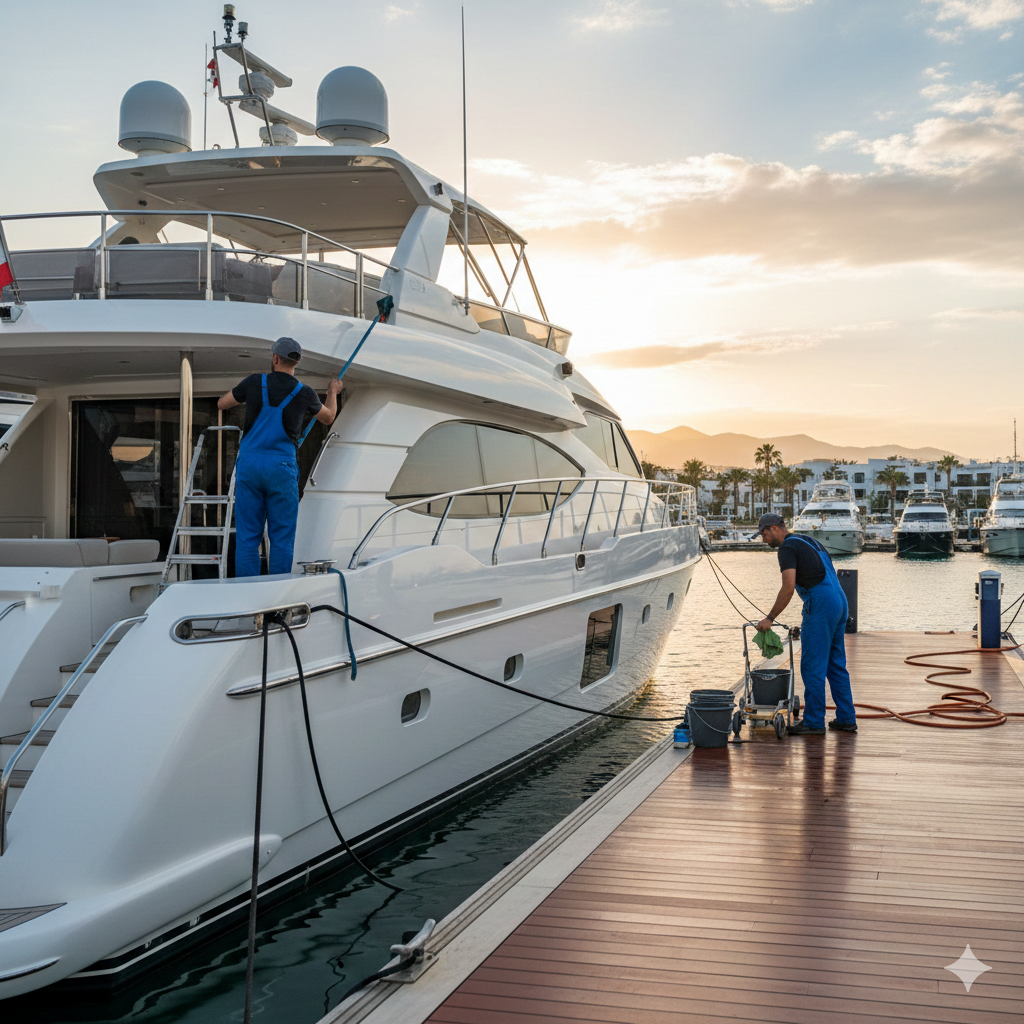
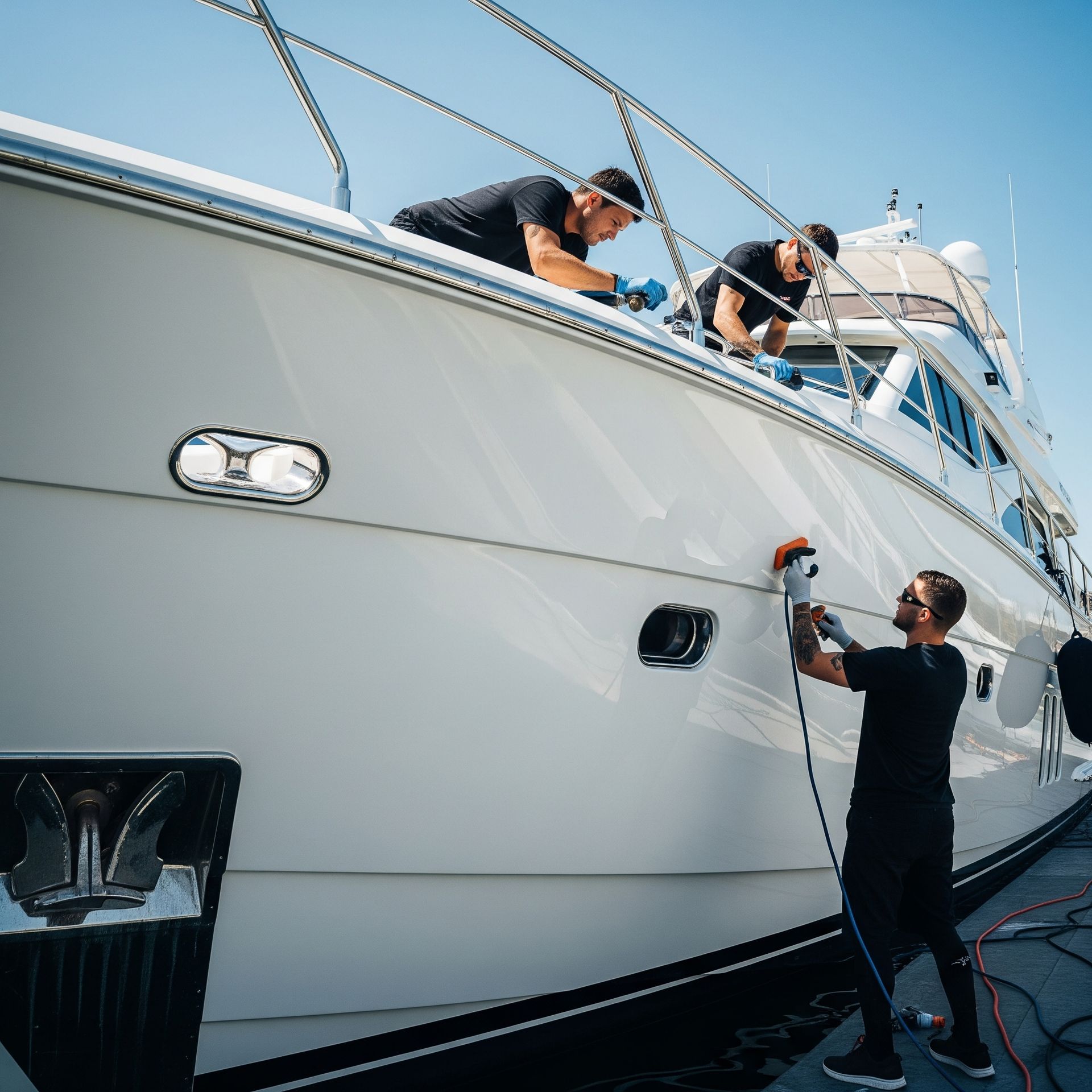
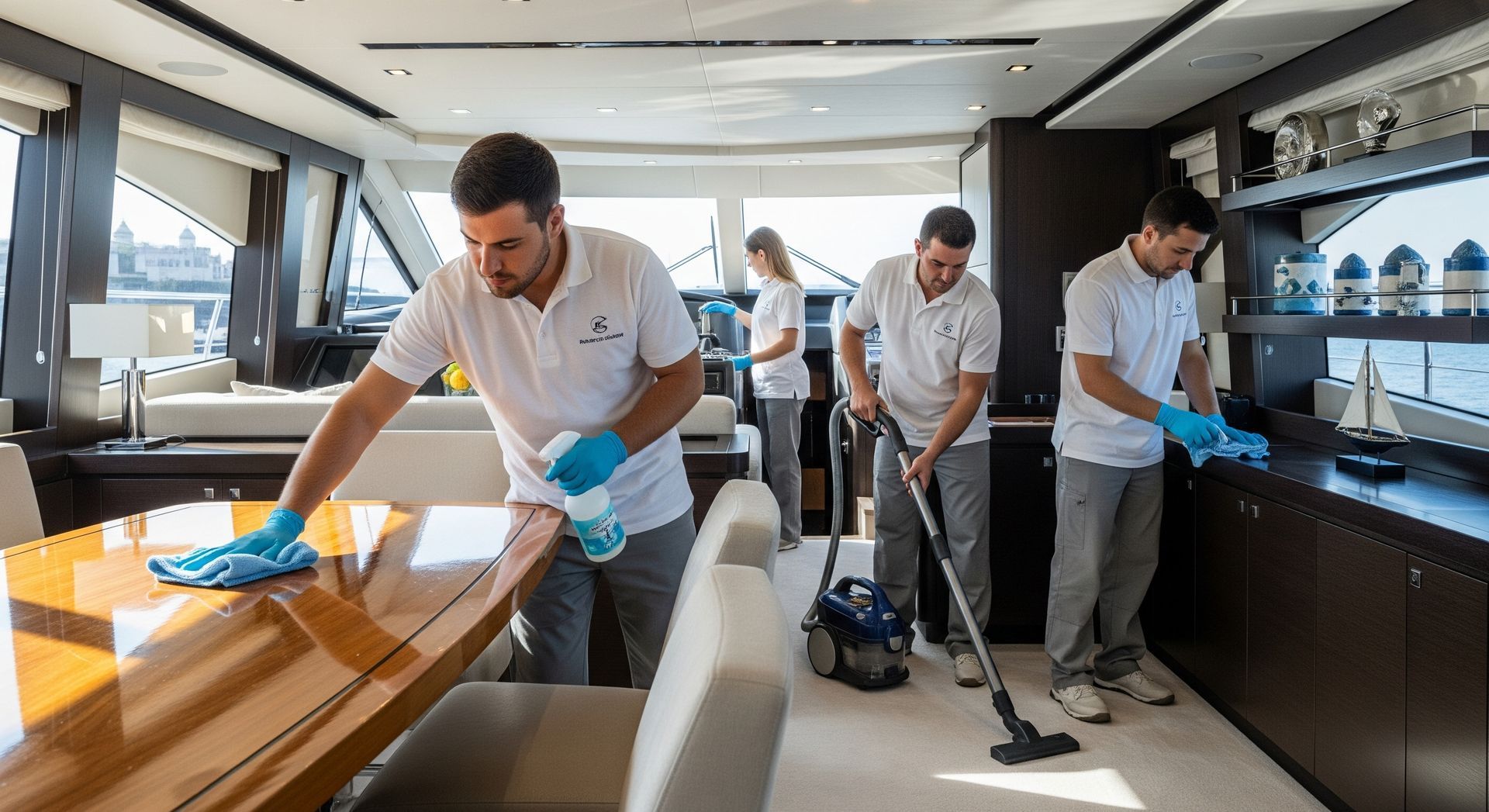
- Clean deck and hull surfaces to prevent slips and corrosion.
- Inspect ropes, lines, and mooring equipment.
- Examine fuel and water filters.
Monthly:
- Test navigational electronics and lighting systems.
- Check battery condition and connections.
- Lubricate moving parts such as winches and hinges.
Annually:
- Conduct a thorough engine service.
- Inspect hull integrity below the waterline.
- Schedule professional inspection of electrical and plumbing systems.
Keeping a written log of inspections and maintenance tasks is recommended. This ensures nothing is overlooked and provides a reference for service history.
Engine and Mechanical Safety
Engines are the heart of any yacht, and their maintenance is critical for both performance and safety.
Key Engine Safety Tips:
- Regularly check oil, coolant, and transmission fluid levels.
- Replace filters and belts according to manufacturer guidelines.
- Inspect fuel lines for leaks, cracks, or corrosion.
- Ensure exhaust systems are clear and free of blockages.
Engines should only be serviced in a well-ventilated area. For complex mechanical concerns, unusual sounds, or vibrations, contact a qualified marine repair professional for a proper inspection.
Engine Safety Checklist
| Task | Frequency | Notes |
|---|---|---|
| Oil Level Check | Daily/Weekly | Top off as needed |
| Fuel Line Inspection | Monthly | Replace if cracks or leaks found |
| Coolant Level Check | Weekly | Ensure proper mixture ratio |
| Belt and Hose Replacement | Annually | Follow manufacturer schedule |
| Engine Test Run | Daily | Listen for unusual sounds |
Electrical System Safety
Electrical failures are a common source of yacht hazards. Proper maintenance reduces the risk of fires, system malfunctions, or sudden power loss.
Electrical Safety Tips:
- Inspect wiring for signs of corrosion, wear, or fraying.
- Test battery health and connections monthly.
- Use marine-grade fuses and circuit breakers.
- Keep electrical panels dry and free of salt residue.
Avoid attempting complex electrical repairs unless you have proper training. Hiring a certified marine electrician can prevent accidents and ensure compliance with safety standards.
Safety Equipment Checks
Your safety equipment is only effective if it is functional. Regular inspections are essential for peace of mind.
Checklist of Essential Safety Equipment:
- Life jackets and personal flotation devices.
- Fire extinguishers and smoke alarms.
- Flares, signaling devices, and horns.
- Emergency first aid kit.
- Lifeboats, life rafts, or inflatable rescue devices.
Verify expiration dates, replace damaged items, and ensure all crew members know the location and proper use of safety equipment.
Hull and Deck Maintenance
The hull and deck support your yacht structurally. Cracks, loose fittings, or worn surfaces can compromise safety.
Hull and Deck Tips:
- Inspect hull for cracks, blisters, or signs of water intrusion.
- Clean and polish deck surfaces to prevent slips.
- Check railings, stanchions, and ladders for secure fittings.
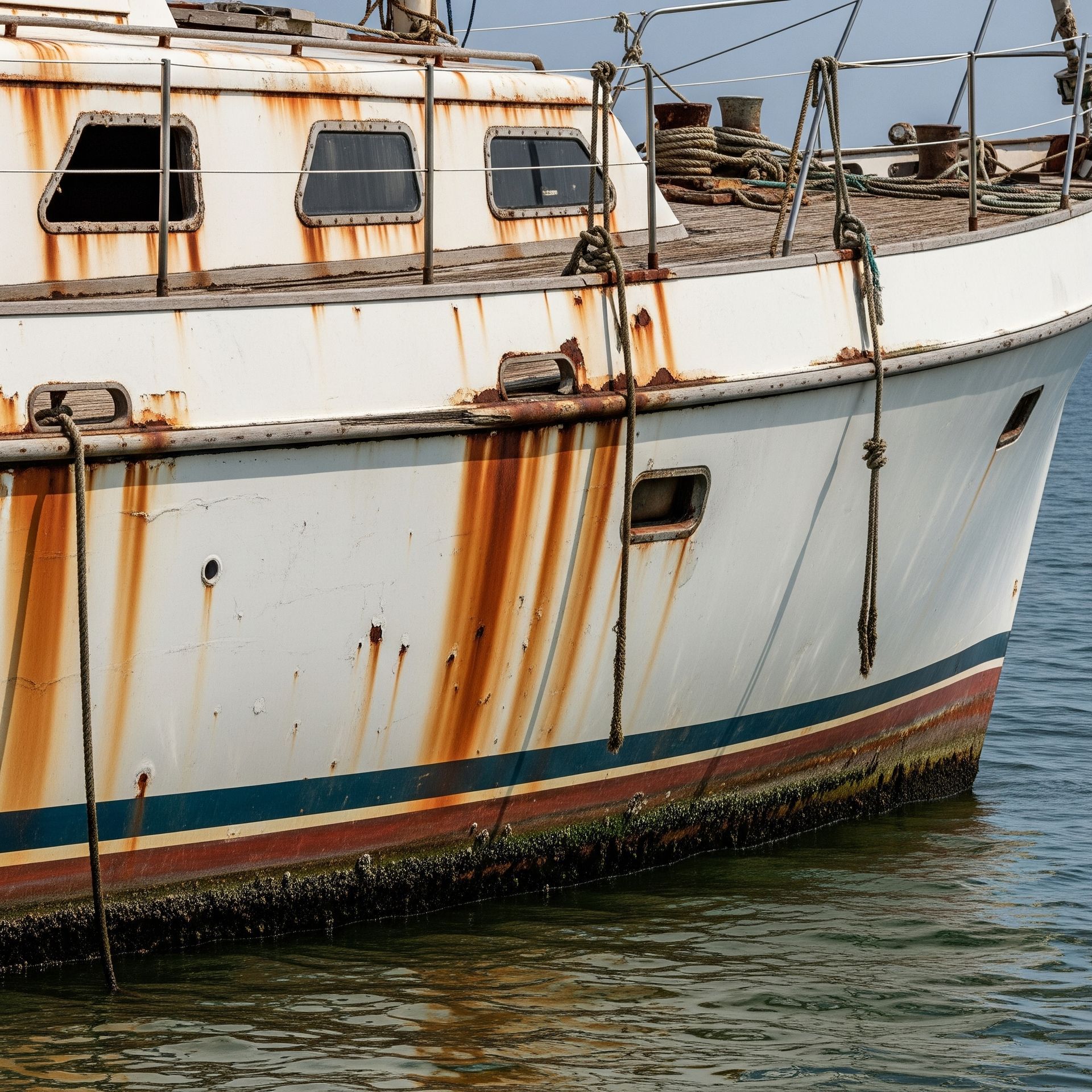
- Remove marine growth from the hull regularly to maintain stability and efficiency.
Regular hull maintenance also prevents corrosion and preserves fuel efficiency, making it both a safety and cost consideration.
Preventing Slips, Trips, and Falls
Slips, trips, and falls are among the most common accidents on yachts. Preventive measures can significantly reduce risk.
Tips for Deck Safety:
- Install non-slip mats or coatings in high-traffic areas.
- Keep decks clear of loose ropes, equipment, and debris.
- Use handrails when moving around the vessel, especially in rough waters.
- Wear proper footwear with good traction.
Even minor injuries from falls can be dangerous offshore, so proactive measures are crucial.
Fuel and Fire Safety
Fuel and fire hazards are serious concerns for yacht owners. A small spark can escalate quickly.
Fuel and Fire Safety Practices:
- Store fuel in approved containers away from heat sources.
- Inspect fuel lines and tanks for leaks regularly.
- Keep fire extinguishers accessible and inspected.
- Avoid smoking near fuel storage areas.
In emergencies, having a fire suppression system and crew trained in its use can save lives and protect your vessel.
Environmental Considerations
Safety-first yacht maintenance also includes environmental awareness. Oil spills, chemical leaks, and waste disposal can impact both your safety and legal compliance.
Environmental Safety Tips:
- Dispose of waste, oil, and chemicals at approved facilities.
- Use eco-friendly cleaning products when possible.
- Avoid discharging sewage or pollutants into protected waters.
Responsible maintenance not only protects the environment but also prevents fines and regulatory issues.
Professional Maintenance vs. DIY
While some tasks can be safely handled by the yacht owner, others require professional expertise.
DIY Maintenance:
- Cleaning, polishing, and minor lubrication.
- Visual inspections and routine checks.
- Simple repairs with manufacturer guidance.
Professional Services:
- Engine overhauls and electrical work.
- Hull and structural inspections.
- Advanced navigation and safety system installation.
Knowing your limits and hiring professionals for high-risk tasks ensures safety and prevents costly mistakes.
Crew Training for Safety and Maintenance
Even the most meticulously maintained yacht can become unsafe if the crew is not trained properly. Crew training is a cornerstone of safety-first yacht maintenance, as it ensures everyone on board knows how to handle equipment, respond to emergencies, and prevent accidents.
Why Crew Training Matters
A well-trained crew reduces the likelihood of accidents and ensures maintenance tasks are completed correctly. Inexperienced crew members may overlook small issues like frayed ropes, loose fittings, or minor fuel leaks—problems that can escalate quickly if ignored. Training also builds confidence, allowing the crew to act quickly and safely during unexpected situations.
Core Training Areas
- Safety Equipment Familiarity
- Every crew member should know the location and proper use of life jackets, fire extinguishers, flares, lifeboats, and first aid kits.
- Conduct regular drills for man-overboard situations, fire emergencies, and evacuations.
- Routine Maintenance Procedures
- Teach the crew how to perform daily checks, including bilge pumps, engine fluid levels, and electrical system inspections.
- Emphasize the importance of documenting completed tasks for accountability and future reference.
- Handling Chemicals and Fuel Safely
- Training should cover proper storage, usage, and disposal of fuel, lubricants, and cleaning chemicals.
- Crew members must understand ventilation requirements and fire safety when handling flammable substances.
- Navigation and Communication Protocols
- Crew should know how to operate navigational electronics and radios safely.
- Clear communication protocols prevent errors that could lead to accidents or equipment damage.
- Emergency Response Skills
- First aid, CPR, and basic firefighting skills are essential for all crew members.
- Simulated emergency drills help build confidence and reduce panic during real incidents.
Training Best Practices
- Regular Refreshers: Crew training is not a one-time activity. Schedule quarterly or bi-annual sessions to ensure skills remain sharp.
- Hands-On Experience: Encourage practical training rather than just theory. Hands-on exercises help crew members become familiar with tools, equipment, and maintenance procedures.
- Documented Procedures: Maintain a written manual or checklist outlining all safety and maintenance protocols. This ensures consistency, especially when new crew members join.
A well-trained crew is an extension of your maintenance plan. Their knowledge and preparedness can prevent accidents, detect early warning signs of equipment failure, and keep your yacht running smoothly. Investing time in crew training is as important as engine overhauls or hull inspections when it comes to safety.
Frequently Asked Questions
How often should I inspect my yacht for safety issues?
Daily visual checks, monthly system reviews, and annual professional inspections are recommended.
Can I handle all maintenance tasks myself?
Some tasks are safe for owners, but complex engine, electrical, or structural work should be handled by professionals.
What is the most common maintenance-related accident on yachts?
Slips and falls on wet decks are the most frequent. Keeping surfaces clean and using non-slip materials helps reduce risk.
How do I maintain electrical systems safely?
Regularly inspect wiring, keep connections dry, test batteries, and hire certified electricians for complex issues.
What safety equipment is essential on every yacht?
Life jackets, fire extinguishers, flares, first aid kits, and lifeboats or life rafts are considered essential.
Final Thoughts
A yacht is a significant investment, and safety-first maintenance ensures both the protection of your vessel and the well-being of everyone on board. By following a structured maintenance schedule, prioritizing safety equipment, and knowing when to hire professionals, yacht owners can enjoy worry-free time on the water.
Remember, consistent preventive care is always better than
reactive repairs. Protect your investment, crew, and peace of mind by making safety the central focus of all maintenance tasks.
Ensure your yacht is always safe and seaworthy. Schedule a professional inspection today and set up a personalized maintenance plan that puts safety first.
Reference:
https://www.sentinelmarine.net/blog-posts/the-ultimate-guide-to-yacht-maintenance-must-do-tasks-and-overlooked-essentials
Share this article